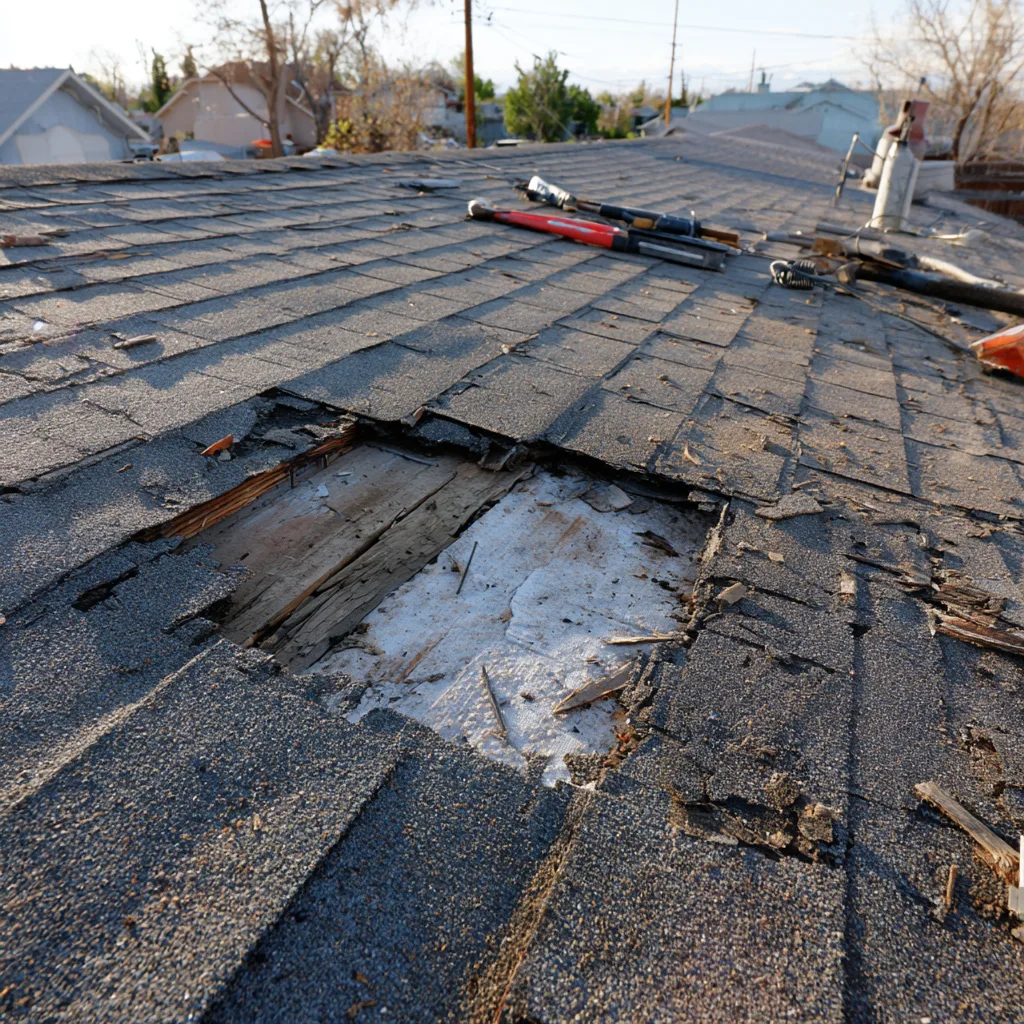
A patch can cover a visible opening while water still finds another route. A recurring leak needs the whole repaired connection reconsidered.
A Surface Patch and a Water Path
It is frustrating to see the stain return after a roof has been patched. The indoor mark tells you water is reaching the room; it does not establish that the patch sits over the original entry point. Water can travel beneath the covering or along framing before it drops.
A surface patch also depends on the material around it. Deteriorated shingles, a failed wall detail or unsound decking can leave a repair without a workable connection.
If the leak has returned, tell Blanchard Roof Pros what you noticed and request roof leak repair help for an assessment of the entry point and surrounding roof.
The Surrounding Roof Has to Support the Repair
Consider a pipe boot. The collar around the pipe is one part of the detail, but the base also has to connect with the courses and underlayment around it. Coating the visible split does not establish that water is draining over those connections.
A permanent repair needs compatible material, sound support and enough workable covering to rebuild the overlap. Those conditions matter together. A shingle that can be lifted is not, by itself, proof that the whole repair will hold.
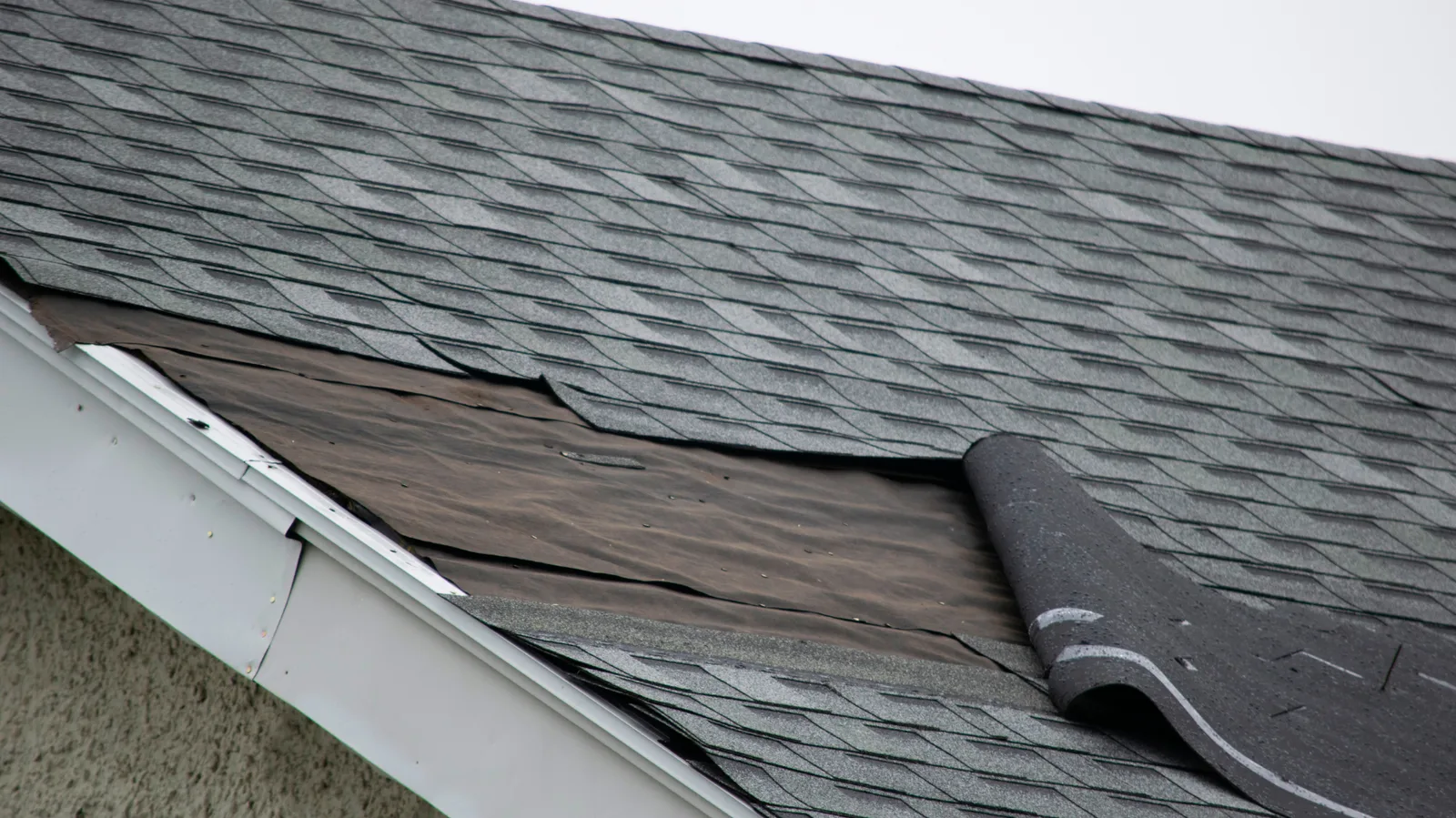
When the Next Step Is a Roof Inspection
A recurring leak can still be localized and repairable. The inspection needs to find the actual failure and establish what has been affected beneath it. If deterioration extends across the roof, another isolated patch can leave the larger decision unresolved.
If water is entering now, call and say that first. Stay away from wet electrical equipment and a sagging ceiling. There is no need to climb onto the roof to gather more evidence.
A free roof inspection is a useful next step. The roof condition will guide whether the work stays local or needs a replacement discussion.